


Your Essential Ethiopia Packing...
Embracing Ethiopian Culture
A...

Mercato
Exploring Africa’s...
Unveiling Ethiopia
A Land of Rich...

Ethiopia’s musical landscape is a rich tapestry woven from ancient traditions and contemporary influences. The country’s diverse ethnic groups have contributed to a unique blend of sounds, rhythms, and melodies that have captivated audiences worldwide.
Traditional Ethiopian music is deeply rooted in the country’s cultural heritage. The use of instruments like the krar, masenqo, and kebero, combined with the soulful vocals of Ethiopian singers, creates a mesmerizing sound. The music often reflects the country’s history, spirituality, and social life.
The krar is a traditional Ethiopian lyre with six strings, often made from animal skin or wood. It is typically played with a bow, producing a soothing and melodic sound. The krar is commonly used in various Ethiopian musical genres, including folk, jazz, and classical.
The masenqo is a single-stringed fiddle, played with a bow, that is indigenous to Ethiopia. It has a unique, resonant sound and is often used in traditional Ethiopian music, particularly in the Amharic region.
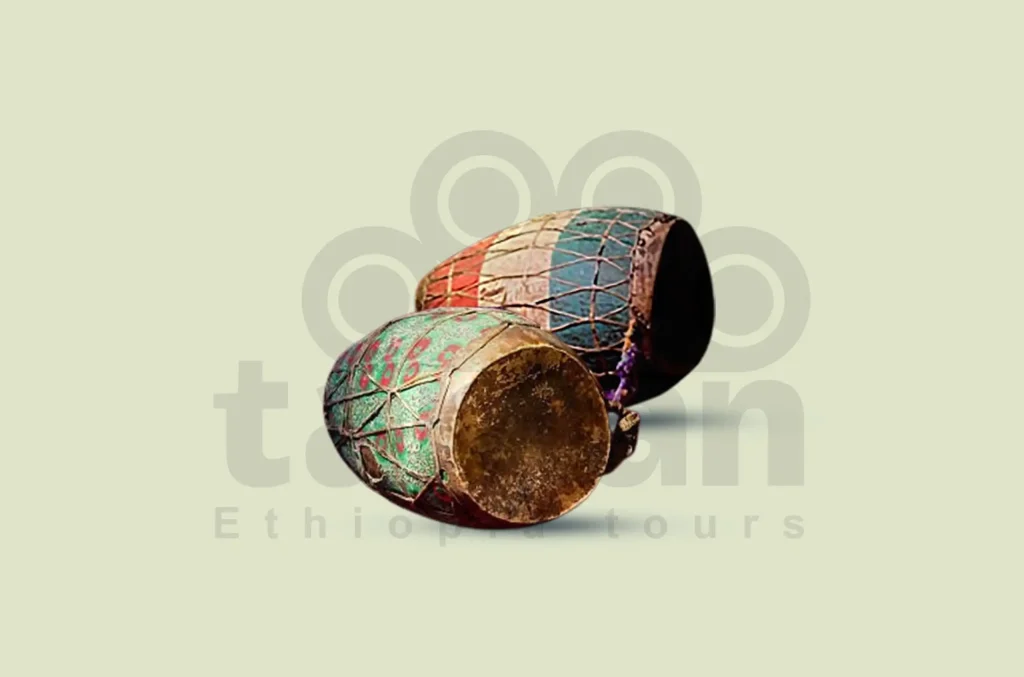
The kebero is a pair of drums, consisting of a large base drum and a smaller hand drum. They are played with sticks or hands and are a staple in Ethiopian music, providing a driving rhythm and percussive accompaniment. The kebero is often used in ceremonies, celebrations, and traditional music performances.
In the 20th century, Ethiopian music underwent a significant transformation, blending traditional elements with Western influences. Artists like Mulatu Astatke, often referred to as the “father of Ethio-jazz,” pioneered a unique sound that fused jazz, funk, and traditional Ethiopian rhythms. Other notable musicians include Mahmoud Ahmed, Alemayehu Eshete, and Tilahun Gessesse, whose soulful voices and innovative compositions have left a lasting impact on Ethiopian music.
Contemporary Ethiopian Music
Today, Ethiopia’s music scene continues to evolve, with a growing number of talented artists emerging. Contemporary Ethiopian music encompasses a wide range of genres, from hip-hop and R&B to electronic music. Artists like Teddy Afro, Aster Aweke, and Gigi have gained international recognition for their contributions to Ethiopian music.
Experiencing Ethiopian Music
To truly appreciate the richness and diversity of Ethiopian music, consider attending a live performance or visiting a traditional music club. You can also explore the country’s vibrant music scene by listening to Ethiopian music on streaming platforms or purchasing CDs and vinyl records.
By immersing yourself in the sounds of Ethiopia, you’ll gain a deeper understanding of the country’s culture and history.
A New Wave of Sound
While Ethiopia has a rich history of traditional music, a vibrant electronic music scene has emerged in recent years. DJs and producers are blending traditional Ethiopian sounds with modern electronic beats, creating a unique and captivating sound.
Pioneering the Scene
One of the most prominent figures in Ethiopian electronic music is Rophnan. This talented DJ and producer has gained international recognition for his innovative fusion of traditional Ethiopian melodies with electronic dance music. Rophnan’s music has not only captivated local audiences but has also garnered attention from global music enthusiasts.
A Growing Community
The growing popularity of electronic music in Ethiopia has led to the development of a thriving music scene. Clubs and festivals are popping up across the country, providing platforms for both local and international DJs to showcase their talents.
As the scene continues to evolve, Ethiopian electronic music is poised to make a significant impact on the global music industry. Keep an eye out for the next wave of talented Ethiopian DJs and producers who are set to take the world by storm.
Plus – Tips for partying in Addis Ababa.
Immerse yourself in the vibrant world of Ethiopian music, from traditional folk songs to contemporary jazz.
Ethiopia’s 16-day immersive journey through Ethiopia offers a captivating blend of ancient history, diverse cultures, stunning landscapes, and unique wildlife encounters.
16 Days
Experience the magic of Bahir Dar, beauty of the Simien Mountains, rock-hewn churches of Lalibela, and the historic city of Gondar.
6 Days
Explore two of Ethiopia's most extraordinary destinations: the otherworldly Danakil Depression and the ancient Tigray region.
7 Days
This 7-day tour offers a captivating exploration of Ethiopia', From the ancient city of Gondar to the rock-hewn churches of Lalibela and the vibrant city of Harar.
7 Days
Explore remote villages, engage with fascinating tribes, and experience captivating rituals that offer a glimpse into an extraordinary way of life.
5 Days
This 15-day tour offers a comprehensive exploration of Ethiopia's diverse landscapes, rich history, and vibrant cultures. From the bustling city of Addis Ababa to the remote Omo Valley.
15 Days
Ethiopian traditional dance is a vibrant and expressive art form that reflects the country’s diverse cultural heritage. Each ethnic group within Ethiopia has its own unique dance styles, characterized by specific movements, costumes, and musical accompaniment. Ethiopian dances are deeply rooted in social and cultural traditions. They are often performed at weddings, festivals, and religious ceremonies, serving as a way to celebrate community, honor ancestors, and express spiritual beliefs. Dancers often use their bodies to convey emotions, stories, and cultural significance. This includes intricate hand gestures, facial expressions, and body postures.
The Most popular traditional Ethiopian dances is Esista. Comes from the Amhara region, Eskista is a lively and energetic dance characterized by rapid shoulder shaking, head tossing, and body isolations. Dancers often perform quick footwork, moving their shoulders back and forth in sync with the rhythm of the music. The Eskista, a dynamic and expressive dance form, boasts a rich tapestry of more than 20 regional variations, each with its own historical roots and unique character. While these diverse styles share common threads, they are primarily inspired by the arduous lives of Ethiopian highland farmers.
Beyond the Tourist Trail: Experiencing Authentic Ethiopian Dance
Explore What We're Talking About